
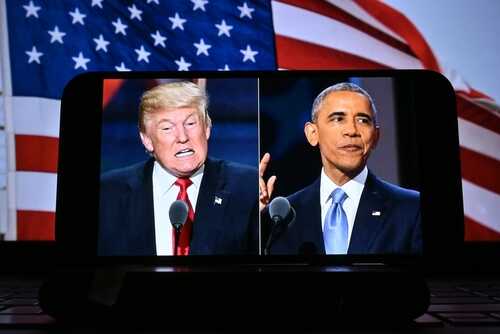
President Trump’s demand for Netflix to fire a former Obama official from its board coincides with a Justice Department antitrust probe that could derail the streaming giant’s massive $82.7 billion acquisition deal.
Story Snapshot
- DOJ launches antitrust investigation into Netflix’s $82.7 billion Warner Bros. Discovery acquisition under Attorney General Pam Bondi
- Trump publicly demands Netflix fire board member Susan Rice following her criticism of his administration on a podcast
- Rival bidder Paramount Skydance, backed by Trump allies, offers competing $108.4 billion bid as DOJ probe threatens to delay Netflix deal
- Investigation could add months to approval process, potentially shifting advantage to Paramount before March 20 shareholder vote
Trump Targets Netflix Board Member Amid Merger Review
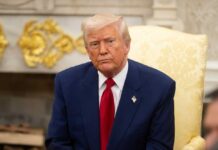
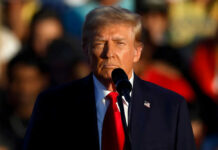
President Trump took to social media on February 21, demanding Netflix remove Susan Rice from its board of directors, threatening unspecified “consequences” if the company refuses. Rice, who served as National Security Advisor and U.N. Ambassador under President Obama, drew Trump’s ire after criticizing his administration during a podcast appearance. Right-wing influencer Laura Loomer prompted the president’s public rebuke.
This direct presidential intervention into corporate governance raises concerns about political influence over private business decisions, particularly when combined with simultaneous federal regulatory action against the company.
Trump demands Netflix fire Susan Rice as DOJ probes Warner deal https://t.co/h0K0zIlq7D
— CNBC Tech (@CNBCtech) February 22, 2026
DOJ Investigation Threatens Multi-Billion Dollar Deal
The Department of Justice issued a Civil Investigative Demand on February 20-21 targeting Netflix’s proposed acquisition of Warner Bros. Discovery’s streaming and studio assets. The probe cites potential violations of Section 7 of the Clayton Act and Section 2 of the Sherman Act, with felony penalties including fines up to $100 million and 10-year imprisonment.
Attorney General Pam Bondi’s office sent notices to Hollywood filmmakers and producers requesting sworn statements by March 23 regarding the deal’s competitive impact. This investigation could delay approval by months, potentially derailing the transaction before WBD’s scheduled March 20 shareholder vote.
Competing Bid From Trump-Connected Rival Emerges
Paramount Skydance, led by David Ellison, submitted a competing $108.4 billion all-cash offer for Warner Bros. Discovery, surpassing Netflix’s bid by over $25 billion. The rival bidder’s team includes former Trump administration officials Rene Augustine, a White House counsel aide, and Makan Delrahim, Trump’s first-term antitrust chief.
Paramount received a February 23 deadline for its “best and final” offer after WBD rejected 10 previous proposals due to financing concerns. The company claims prior DOJ clearance and promises $9 billion in synergies plus 30 theatrical releases annually, presenting itself as more theater-friendly than Netflix’s streaming-focused model.
Netflix Defends Market Position Against Monopoly Claims
Netflix Chief Legal Officer David Hyman rejected allegations that the company operates as a monopoly, stating “Netflix operates in an extremely competitive market” and pledging full cooperation with the investigation. Co-CEO Ted Sarandos, speaking from the BAFTAs on February 22, challenged Paramount directly: “Just put a better deal on the table and see if you can win.”
Netflix has committed to $20 billion in content spending for 2026, honoring WBD’s 45-day theatrical window and expanding studio facilities in New Mexico and New Jersey. These pledges counter longstanding criticism from industry figures like James Cameron and consumer groups who accuse Netflix of undermining traditional theatrical distribution.
Political Influence Raises Constitutional Concerns
The timing of Trump’s board member demand alongside the DOJ investigation exemplifies troubling government overreach into private enterprise. Using federal regulatory power as leverage while publicly pressuring a corporation to terminate employees based on political views contradicts fundamental principles of limited government and free enterprise.
This coordination between presidential rhetoric and Justice Department action suggests selective enforcement driven by political grievances rather than genuine antitrust concerns.
The administration’s willingness to deploy regulatory authority against companies employing political opponents sets a dangerous precedent that threatens corporate independence and individual liberty, core tenets conservatives have historically defended against government interference.
The outcome of this investigation will determine whether streaming consolidation proceeds under market competition or political favoritism. Warner Bros. Discovery shareholders face uncertainty as the March 20 vote approaches, with billions in content investment and thousands of jobs hanging in the balance.
Whether the DOJ probe represents legitimate antitrust enforcement or political retaliation remains a critical question for media industry observers and constitutional advocates alike.