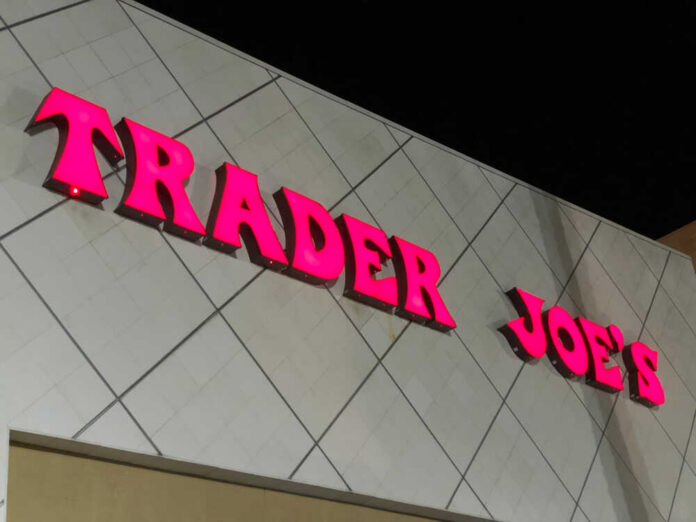
Trader Joe’s just announced 25 new stores across 14 states, and the real story is what this says about where America is choosing to live, shop, and spend in a shaky economy.
Story Snapshot
- Trader Joe’s confirmed 25 new stores in development across 14 states, with specific addresses already locked in [1][2].
- The chain is betting on a mix of booming suburbs, recovering cities, and Sun Belt migration hot spots [1][2].
- All locations are identified, but none have firm opening dates, which reveals how modern retail really expands [1][2].
- The move highlights a quietly conservative consumer trend toward value, familiarity, and smaller, leaner stores [1].
Trader Joe’s Expansion Is A Map Of How Americans Actually Live Now
Trader Joe’s did not just toss out a vague “we’re growing” press line; it tied its latest push to 25 concrete locations in 14 states, from Phoenix and Tucson to Quincy, Syracuse, and Seattle [1][2]. That level of specificity usually means leases are signed or close to it, because landlords and municipalities do not like to see their addresses thrown around lightly. For the rest of us, the list functions like an economic weather map, revealing where the chain believes everyday shoppers still have room in their budgets.
Trader Joe’s just dropped another list of upcoming stores, and some states are getting multiple locations. https://t.co/648cT8Kkjm
— Fast Company (@FastCompany) May 22, 2026
Look carefully at the mix: Phoenix, West Jordan, Orlando, West Palm Beach, Merriam outside Kansas City, plus Reading, Massachusetts, and Oswego, Illinois [1][2]. Those are not luxury zip codes chasing status groceries; they are middle-class suburbs and regional hubs where families still watch price tags. Trader Joe’s built its reputation on affordable private-label staples, not champagne and caviar, so its site selection quietly tells you where the company thinks normal households can still support a premium-but-frugal grocery trip.
Why A Privately Held Grocer Is Pushing Growth In A Tough Economy
The company remains privately held, which means it is not chasing quarterly earnings theatrics or speculative stock pops. That makes a 25-store expansion more meaningful, not less. A privately owned grocer generally only expands where it expects durable traffic rather than short-term buzz. The new stores come on top of four openings earlier this year, in places like Hamden, Connecticut, and McKinney, Texas, signaling an ongoing pipeline rather than a one-off publicity blast [1].
From a common-sense conservative lens, this is textbook capitalism: invest real money where actual customers show up. There is no government subsidy headline here, no flashy downtown “revitalization” project built on tax abatements. Instead, the chain keeps targeting modest parking lots and strip centers where people can park once, fill a cart, and get back to work or home. That is the kind of unromantic, cash-flow-driven expansion that rarely trends on social media but often outperforms grandiose urban megaprojects.
The Fine Print: “Locations Identified, Opening Dates TBD”
Both major reports underline the same caveat: every site has been identified, but none has a firm opening date yet [1][2]. That one line separates grown-up business readers from headline skimmers. Between “we picked the spot” and “we cut the ribbon,” a retailer still needs zoning approvals, building permits, buildout, staffing, inspections, and final occupancy signoff. Anyone who has dealt with a city permitting office knows that timeline can stretch, especially when local politics or anti-growth activism gets involved.
Media coverage frames the expansion as a done deal, but the language clearly describes a pipeline, not 25 grand openings scheduled on the calendar [1][2]. That makes the announcement both real and conditional at the same time. The company appears serious enough to name addresses, which carries reputational risk if projects evaporate, yet still cautious enough to avoid promising dates it cannot control. Readers who have seen grand “coming soon” banners linger for years will recognize this dance immediately.
Who Wins And Who Waits In The New Store Geography
The expansion list also highlights who continues to be left out. Trader Joe’s currently operates in 42 states and the District of Columbia, and the reports note that Alaska, Hawaii, Mississippi, Montana, North Dakota, South Dakota, West Virginia, and Wyoming still have no store at all [1][2]. The new batch does nothing to change that. Residents in those states might feel like second-class customers, but the company’s choices reflect a hard calculus about population density, logistics costs, and the likelihood of steady traffic.
Critics sometimes paint that pattern as cultural snobbery, yet the colder explanation fits better: trucks, labor, and real estate are expensive, and a niche-format grocer must be choosy. From a limited-government, market-first perspective, this is exactly how it should work. Stores go where demand and infrastructure support them, not where online petitions shout the loudest. The good news for neglected regions is that expansion waves tend to move outward; today’s frontier is tomorrow’s “obvious” market if trends continue.
Sources:
[1] Web – Trader Joe’s announces 25 new stores across the country
[2] Web – Trader Joe’s expanding with new locations nationwide; here’s where