
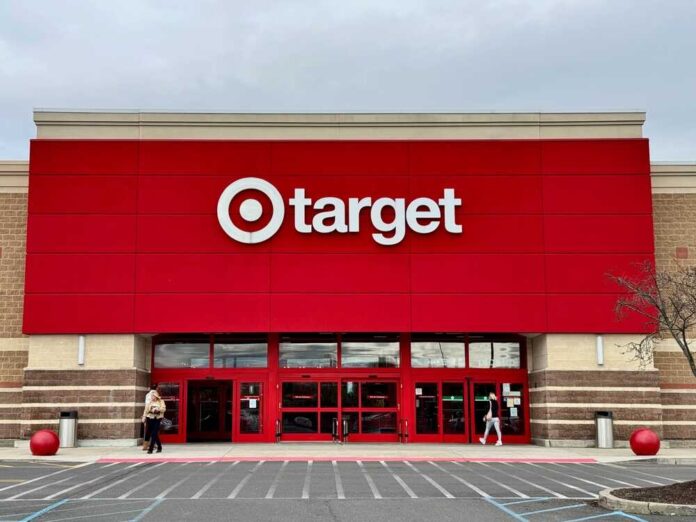
Target’s desperate price cuts on 3,000 items signal how Joe Biden’s economic failures continue haunting American families even as retailers scramble to survive the inflation crisis that devastated household budgets.
Story Snapshot
- Target slashes prices on 3,000 food and household items as sales decline 2.7% amid economic struggles.
- The company cuts 1,000 corporate jobs and reduces its profit forecast due to tariff pressures and weak consumer spending.
- New CEO Michael Fiddelke takes a cautious approach as debt-laden families cut discretionary spending.
- Retailer invests $5 billion in 2026 for store upgrades while battling consecutive quarters of declining traffic.
Biden’s Economic Legacy Forces Retail Desperation
Target’s announcement to slash prices on 3,000 food and household items exposes the harsh reality of Biden’s economic mismanagement. The retail giant’s commercial officer, Rick Gomez, admitted this drastic move aims to help families “stretch their budget” during the 2025 holiday season.
When major retailers resort to massive price cuts just to attract customers, it reveals how deeply inflation damaged American purchasing power under the previous administration’s reckless spending policies.
Target slashes prices on thousands of items in bid to revive slipping sales https://t.co/evCQSdMgYe
— FOX Business (@FoxBusiness) November 19, 2025
Sales Collapse Reveals Consumer Pain
The numbers paint a grim picture of economic struggle. Target’s store sales declined 2.7% with total revenue dropping 1.5% in the latest quarter. Adjusted earnings per share fell 4% from the previous year, forcing the company to narrow its profit forecast from $7-9 per share down to $7-8.
This performance reflects how debt-laden households, crushed by years of inflationary pressure, drastically reduced discretionary spending on non-essential items that Target depends on for profitability.
Corporate Restructuring Amid Economic Uncertainty
Target eliminated 1,000 corporate positions and 800 open roles to combat declining traffic and profit pressures partly driven by tariffs. Incoming CEO Michael Fiddelke, replacing Brian Cornell in February, acknowledged the need for caution given market volatility.
His admission that “we saw some choppiness by month in the quarter” demonstrates how unpredictable consumer behavior has become after years of economic instability. The company’s struggle shows how Biden’s policies created lasting damage to business confidence and consumer spending patterns.
Investment Strategy Reflects Market Realities
Despite current struggles, Target announced a $5 billion investment for 2026, representing a 25% increase from 2025 spending. This investment will fund store remodeling, new large-format locations, and supply chain upgrades.
The company also expanded partnerships with Magnolia and Starbucks to attract customers.
However, these moves represent defensive strategies rather than growth opportunities, as retailers adapt to an economy where families prioritize basic necessities over discretionary purchases thanks to the previous administration’s fiscal irresponsibility.