

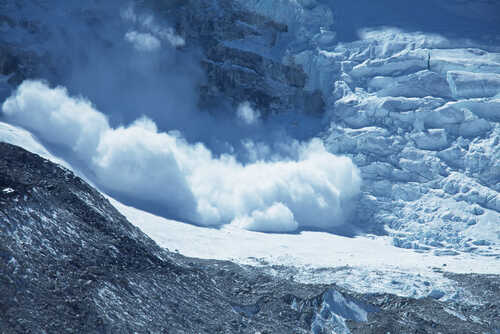
A blizzard-driven avalanche near Lake Tahoe has forced rescuers to choose between speed and safety as families wait on word about 10 missing backcountry skiers.
Quick Take
- Six skiers were rescued alive, with injuries reported, and two people were hospitalized after an avalanche near Castle Peak in Northern California.
- Authorities said 10 people remained unaccounted for Tuesday night as extreme weather and ongoing avalanche danger halted operations.
- The incident happened during a powerful Sierra storm, with heavy snowfall, high winds, and whiteout conditions impacting Donner Summit and I-80.
- Forecasters warned conditions were “high” danger, meaning large natural avalanches were possible and human-triggered slides were very likely.
What Happened Near Castle Peak and Frog Lake
Nevada County authorities said a guided group of 16 backcountry skiers—four guides and 12 clients—was caught in an avalanche near the Frog Lake huts in the Castle Peak area of the Sierra Nevada, northwest of Lake Tahoe. Officials said a 911 call came in around 11:30 a.m. Tuesday. Initial reports varied, but by Tuesday evening, six people had been rescued alive, and 10 were still missing.
Rescuers deployed roughly 46 first responders in multiple teams, including personnel traveling on skis and a snowcat, as conditions deteriorated. Truckee Fire evaluated survivors, and authorities said injuries were reported, with two people taken to a hospital. Officials emphasized that the same unstable snowpack that endangered skiers also threatened rescuers, shaping decisions about when to push forward and when to pull back.
Why Search Crews Paused Overnight
Nevada County’s sheriff’s office said the search was suspended Tuesday night because conditions became too hazardous. Whiteouts and heavy snowfall reduced visibility, while avalanche danger remained high enough that additional slides could have struck rescuers.
Authorities said crews returned home overnight and planned to reassess as weather and stability allowed. As of the latest updates in the provided reporting, officials are expected to provide another update on Wednesday afternoon.
Forecasters at the Sierra Avalanche Center warned that the storm created a worst-case combination: rapid loading from new snow on top of weaker layers, plus strong winds that can form dangerous slabs.
The center’s “high” danger rating signals that backcountry travel can quickly turn catastrophic, even for experienced parties. That warning matters because backcountry terrain has no patrol, no controlled blasting, and no rapid access like a resort.
Crews pushed through mountainous wilderness near Lake Tahoe during a snowstorm to rescue six backcountry skiers who survived an avalanche but were trapped by its snow and ice. Nine others from their tour group remained missing.https://t.co/pvDKoZ4jzW
— KATU News (@KATUNews) February 18, 2026
The Storm’s Broader Disruption Across the Sierra
The avalanche unfolded during a powerful winter storm that hammered the Sierra Nevada with heavy snow and high winds. Reporting cited feet of new snow in the forecast for some areas and extremely high snowfall rates at times, with Donner Summit conditions producing whiteouts and crashes.
Interstate 80 closures added another layer of difficulty for response logistics and for families trying to reach the region, while ski resorts mitigated risk through closures and operational limits.
Guided Backcountry Trips, Personal Responsibility, and the Limits of Government Response
Blackbird Mountain Guides was identified in reporting as the operator of the three-day hut-based trip, with skiers traveling miles into rugged terrain and carrying supplies. Officials and forecasters stressed the group was operating during a period of elevated hazard, and the storm peaked as the party returned from the huts.
The available sources do not establish why the group moved when it did, and any review of decision-making would depend on a later investigation.
For conservatives who watched years of government mismanagement and priorities skewed toward fashionable agendas, this story is a reminder of what competent public safety work actually looks like: local officials making hard, reality-based calls to protect life.
When avalanche conditions make additional deaths likely, “doing something” at any cost is not leadership. The immediate focus remains on finding missing Americans, while recognizing that nature, not politics, sets the terms of rescue.
Rescuers search for nine missing skiers after California avalanche https://t.co/pM6f9F0Wc9
— Tim Ricklefs (@TimRicklefs3) February 18, 2026
One key limitation in public discussion is a persistent mismatch in early counts. Some social posts and early alerts referenced nine missing, while the reporting summarized here said 10 remained missing after six rescues.
That kind of confusion is common in fast-moving emergencies, especially when visibility is near zero, and communications are strained. Until officials confirm identities and final numbers, caution is warranted when sharing claims that outrun verified updates.
Sources:
10 Skiers Missing After Northern California Avalanche
Backcountry skiers missing after avalanche in Northern California, authorities say