
In an alarming act of violence, a Brooklyn activist has been charged with setting 11 NYPD vehicles ablaze, raising serious questions about the thin line between protest and crime.
At a Glance
- Jakhi McCray, a 21-year-old activist, arrested for allegedly torching 11 NYPD vehicles.
- The act follows a history of protest-related arrests, linked to pro-Palestinian activism.
- The incident underscores rising tensions between activist groups and law enforcement.
- Federal authorities pursue severe charges, reflecting the gravity of the crime.
Activist’s History of Defiance
Jakhi McCray, a young Brooklyn resident, is no stranger to controversy. Known for his activism at pro-Palestinian protests in New York City, McCray has been involved in numerous incidents that put him at odds with law enforcement.
His record includes vandalizing a statue at Columbia University, throwing eggs at an NYPD officer, and resisting arrest at various protests. Now, he’s facing the most serious charges yet, accused of setting fire to police vehicles in a brazen act of defiance.
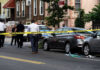
The attack occurred on June 12, 2025, in Bushwick, Brooklyn, where 11 marked NYPD vehicles were engulfed in flames.
This escalation is part of a broader pattern of direct actions targeting symbols of state authority, especially in light of recent U.S. policies perceived as unjust by activist networks. Such actions often stir debate about the fine line between legitimate dissent and criminal conduct.
Federal Prosecution and Legal Battles
Federal prosecutors have taken a hard stance, charging McCray with arson, a crime that could land him in prison for up to 20 years. U.S. Attorney Joseph Nocella Jr. emphasized that torching police vehicles is a federal offense, not an act of protest.
Surveillance footage and forensic evidence, including fingerprints and fire starters, strongly support the charges. Despite this, McCray’s attorney, Ron Kuby, argues his client is an activist, not a criminal, framing the case as part of a broader struggle for justice.
City officials, including Mayor Eric Adams, have linked the incident to a wider protest movement, suggesting connections to national activism against U.S. policies on Israel and immigration enforcement.
The NYPD, echoing a zero-tolerance policy, stresses the importance of maintaining order and authority in the face of such acts.
Impact and Implications
The destruction of NYPD vehicles represents a significant financial and operational blow, with damages estimated at $800,000. This loss comes amid increasing tensions between law enforcement and activist communities.
The incident has prompted heightened security measures and increased surveillance of protest activities, potentially leading to a chilling effect on future demonstrations.
Long-term, the case could set a legal precedent for prosecuting protest-related property crimes at the federal level. This raises questions about the balance between protecting First Amendment rights and ensuring public safety.
The debate over permissible protest tactics versus criminal acts is likely to intensify, with implications for activists, law enforcement, and local residents.
The Broader Context
McCray’s actions are not isolated but are part of a broader context of activism challenging U.S. foreign and domestic policies.
While not all activists endorse such direct actions, the incident highlights the adversarial dynamics between protest groups and state authority. Legal and public relations battles are ongoing, with both sides seeking to shape the narrative around McCray’s actions.
As the federal arson case proceeds, the outcome could influence future protest strategies and law enforcement responses nationwide. The ongoing investigation into potential accomplices or broader protest network involvement underscores the complexity of this high-profile case.