
A United Airlines pilot was injured when a mysterious object struck Flight 1093’s windshield at 36,000 feet, forcing an emergency diversion that raises serious questions about aviation safety and regulatory oversight under new federal leadership.
Story Snapshot
- The United Flight 1093 pilot was injured when an unidentified object cracked the windshield at cruising altitude.
- The Boeing 737 MAX 8 carrying 134 passengers diverted to Salt Lake City for an emergency landing.
- NTSB investigation underway with laboratory analysis of damaged windshield components.
- Incident highlights ongoing Boeing safety concerns and potential regulatory gaps.
High-Altitude Impact Forces Emergency Landing
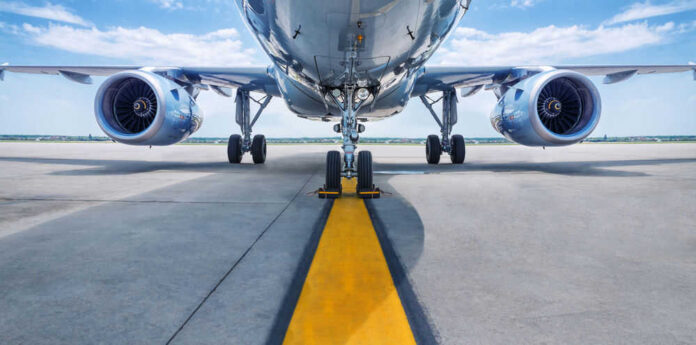
United Airlines Flight 1093 encountered a rare and dangerous situation when an unidentified object struck the aircraft’s windshield at 36,000 feet during its journey from Denver to Los Angeles.
The Boeing 737 MAX 8, carrying 134 passengers, suffered windshield damage that injured a pilot and forced the crew to execute an emergency diversion to Salt Lake City. Aircraft windshields feature multilayered designs specifically engineered to withstand significant pressure and impact forces at high altitudes.
The incident occurred over the western United States, where commercial air traffic operates routinely without typical sources of high-altitude debris. Aviation safety experts note that windshield strikes at cruising altitude remain extremely rare due to the thin atmosphere and absence of conventional debris sources like birds or ground-based objects.
The crew’s prompt response and successful diversion demonstrate professional training protocols, though questions persist about what could penetrate aircraft defenses at such an extreme altitude.
NTSB Launches Comprehensive Safety Investigation
The National Transportation Safety Board immediately initiated a thorough investigation, collecting the damaged windshield for laboratory analysis and reviewing flight recorder data, radar information, and weather conditions.
United Airlines confirmed the incident and cooperated fully with federal investigators while assessing the aircraft for potential return to service. The NTSB’s investigation will examine manufacturing defects, maintenance records, and the possibility of high-altitude debris encounters that could threaten commercial aviation safety.
Mystery object that may have cracked United Airlines flight’s windshield, injured pilot ID’d https://t.co/kozViSB3ND pic.twitter.com/yMZfwgSJGu
— New York Post (@nypost) October 21, 2025
Federal investigators face the challenging task of identifying an object capable of damaging reinforced aircraft windshields at cruising altitude. Previous windshield incidents typically involve bird strikes, hail damage, or manufacturing defects occurring at lower altitudes during takeoff or landing phases.
The mystery object’s identity remains unconfirmed, though aviation experts suggest possible causes including space debris, meteorological phenomena, or extremely rare encounters with high-altitude materials that regulatory agencies may not adequately monitor.
Boeing Safety Record Under Renewed Scrutiny
The incident involving a Boeing 737 MAX 8 aircraft adds another safety concern to a model already facing intense regulatory and public scrutiny following previous operational issues.
Under President Trump’s administration, aviation safety oversight promises stricter accountability for manufacturers and airlines that compromise passenger protection. This latest event demonstrates the critical need for robust federal oversight that prioritizes American travelers’ safety over corporate interests or regulatory complacency that may have developed during previous administrations.
Industry-wide implications could emerge if investigators discover systemic risks that require enhanced monitoring protocols, aircraft design modifications, or changes to flight procedures.
The Trump administration’s commitment to American manufacturing excellence and safety standards positions federal agencies to demand accountability from aerospace companies, ensuring that regulatory frameworks protect citizens rather than shield corporate liability. Passengers deserve transparent investigations and concrete safety improvements that prevent future incidents threatening American lives at 36,000 feet.
Sources:
United Airlines flight diverts after windshield cracks at 36,000 feet
United Airlines Pilot Injured After High-Altitude Debris Cracks Windshield