

Iran says it has categorically rejected a US peace proposal, plunging the Middle East deeper into a conflict that has already cost American blood and treasure on day 40 of fighting.
Story Snapshot
- Iran rejected a US 15-point peace plan delivered through Pakistan, calling it “excessive” and demanding America halt all attacks first
- Tehran issued five non-negotiable conditions, including war reparations and recognition of Iranian control over the Strait of Hormuz
- The White House acknowledged the rejection but refused to declare diplomacy dead, even as military strikes continue escalating
- Iranian hospitals are collapsing under the strain, while US forces face ongoing missile and drone attacks across the region
Tehran Draws Red Line on American Terms
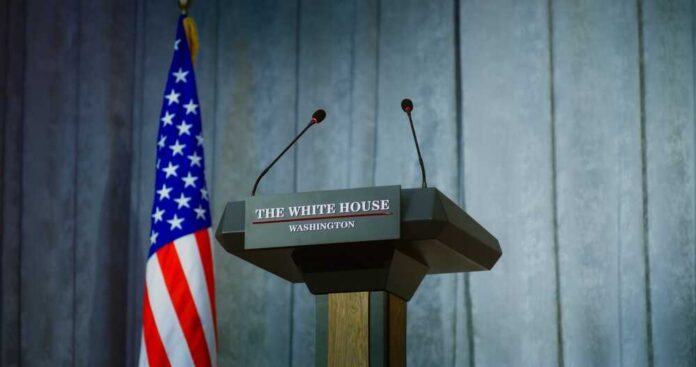
Iranian officials publicly rejected the Trump administration’s 15-point peace framework, hours before a White House press briefing.
State media announced Tehran’s counteroffer: five conditions that include an immediate halt to all US and Israeli attacks, full reparations for war damages, cessation of hostilities across all fronts, recognition of Iran’s authority over the Strait of Hormuz, and no imposed timelines.
Iran’s Revolutionary Guards declared the “era of empty American promises” over, vowing to continue defensive operations on their own schedule regardless of Washington’s preferences.
Iran has rejected a 15-point US proposal for a truce, setting out its own five conditions for bringing an end to the conflict: Here's your Evening Briefing https://t.co/qljPOuXlOt
— Bloomberg (@business) March 25, 2026
Broken Promises and Escalating Costs
This escalation marks a stunning reversal of Trump’s 2024 campaign pledge to avoid new foreign entanglements. Forty days into direct conflict, American forces face missile and drone strikes on the USS Abraham Lincoln carrier group and bases in Kuwait, Jordan, and Bahrain. Nine Iranian hospitals have been partially or fully disabled, including the complete shutdown of Gandhi Hospital.
Israel mobilized 400,000 reservists after striking Iranian submarine and naval missile facilities in Isfahan and Tehran. US elite forces deployed to the region represent the kind of commitment that frustrated MAGA voters explicitly rejected when they supported Trump’s anti-interventionist platform.
Administration Downplays Diplomatic Failure
White House officials insisted negotiations “have not hit a dead end” despite Iran’s categorical rejection. Spokespersons neither confirmed nor denied the full details of the 15-point plan, stating only that it contained “elements of truth” alongside claims “not factual.”
The administration offered to postpone planned strikes on Iranian power plants in exchange for cooperation on nuclear dismantlement.
This hedging language contradicts the clarity Trump promised voters, instead resembling the diplomatic doublespeak of previous administrations that conservative Americans soundly rejected. Iran’s senior political-security officials dismissed the proposal as rebranding military failure as diplomacy.
Sovereignty Demands Clash With American Interests
Iran’s insistence on the Strait of Hormuz’s recognition threatens global energy markets and American strategic interests in the Persian Gulf. Tehran demands full sovereignty over the waterway through which significant oil supplies flow, alongside reparations for infrastructure damage from US and Israeli strikes.
The White House maintains Iran has been “defeated militarily” and must accept reality or face harder strikes on remaining defenses.
This stalemate leaves American service members in harm’s way while energy costs rise at home, compounding inflation concerns that already plague voters frustrated with fiscal mismanagement. Pakistan’s role as intermediary highlights the indirect nature of communications between Washington and Tehran.
The collapse of peace talks exposes the gap between campaign rhetoric and governing reality. Conservative supporters who believed Trump would prioritize American interests over Middle Eastern conflicts now watch another administration pour resources into regime change efforts.
Iranian military commanders mock US internal divisions while continuing strikes, and the path to de-escalation remains unclear as both sides dig into hardened positions that sacrifice American lives and treasure for uncertain strategic gains.
Sources:
Iran Rejects US 15-Point Peace Plan, Vows to Continue Operations – Investing.com