
Florida’s citrus growers face potential economic ruin from the worst drought in 25 years, threatening a vital industry that sustains rural communities and American jobs without burdensome government handouts.
Story Snapshot
- Florida’s citrus industry, which produces 17% of U.S. output, battles an unprecedented drought covering 100% of the state, with 75% of the state classified as extreme.
- Citrus acreage plummeted from over 800,000 acres in 2000 to 200,000 today due to disease, hurricanes, and freezes.
- Dundee Citrus Growers Association adopts CUPS technology, yielding 8,000-10,000 boxes per 10-acre pod despite crises.
- Rising irrigation costs and supply drops risk price hikes for consumers and job losses in Central Florida communities.
Drought Hits Historic Lows
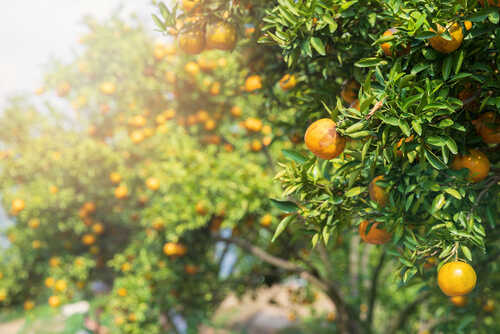
Early 2026 marks Florida’s worst drought in 25 years, with 100% of the state affected and 75% in extreme conditions according to the U.S. Drought Monitor. This crisis strikes during the critical bloom period, where water availability determines fruit size and yield.
Traditional open groves suffer as growers rely on diesel and electric pumps, driving irrigation costs skyward. Central Florida hubs like Dundee and Bartow bear the brunt, compounding years of losses from nature’s assaults.
Citrus Greening and Past Disasters Shrink Acreage
Citrus greening, or Huanglongbing, emerged around 2005, spread by psyllids, and killed trees over the years. Florida’s citrus acreage peaked at over 800,000 acres in the early 2000s but fell to about 200,000 due to this bacterial disease.
Hurricanes like Irma in 2017 and Ian in 2022 destroyed groves, while freezes further reduced production. USDA reports show 2026 declines, including grapefruit down 8% and non-Valencia oranges down 2%, shifting U.S. reliance to California and Texas.
Florida drought deepens strain on citrus industry as growers battle costs, disease https://t.co/Qb9YcXjPwd
— FOX Business (@FoxBusiness) March 12, 2026
DCGA Leads with CUPS Innovation
Dundee Citrus Growers Association, managing over 10,000 acres as the largest fresh fruit co-op, deploys Citrus Under Protective Screens (CUPS). These 10-acre enclosed pods block disease-carrying psyllids and enable precise micro-irrigation, yielding 8,000-10,000 boxes per pod.
CUPS trees grow faster and produce quicker than open-grove counterparts. CEO Steven Callaham calls challenges temporary, emphasizing adaptation over despair. VP Finance Jennifer Schaal terms citrus a lifeline for Floridians.
Agronomy Director Bill Bohde oversees CUPS irrigation, ensuring bloom-period water control vital for fruit sizing. This private-sector innovation counters government inaction on rural economic threats, preserving jobs without federal overreach.
Impacts Threaten Families and Economy
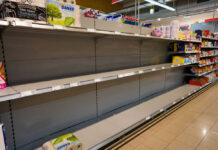
Short-term, surging irrigation costs and supply drops threaten orange crops, potentially raising juice prices nationwide. Growers risk bankruptcy, while communities in Bartow and Dundee face livelihood losses from this economic lifeline.
In the long term, without adaptation like CUPS, acreage decline accelerates, endangering Florida’s 17% share of U.S. citrus. USDA data shows mixed outputs, with lemons up 4%, but overall strain persists. Political calls for state aid may grow, yet innovators prove self-reliance works.
Sources:
Florida citrus growers battle drought, costs and disease
Florida drought deepens strain on citrus industry as growers battle costs, disease
Florida’s worst drought in 25 years puts citrus industry under severe strain
Florida drought slashes citrus supply, rising costs and disease squeeze growers