Four companies controlling 85% of America’s beef supply now face potential criminal charges for allegedly rigging the system that determines what ranchers get paid and what you pay at the grocery store.
Quick Take
- The DOJ’s criminal antitrust investigation into Tyson Foods, Cargill, JBS, and National Beef represents a dramatic escalation from prior civil probes, with potential prison time and massive fines now on the table for company executives.
- Investigators are examining cattle-purchasing contracts and pricing benchmarks that ranchers claim are systematically manipulated to suppress what they receive for their livestock.
- The four companies control approximately 85% of U.S. grain-fattened cattle processing, giving them extraordinary leverage over both ranchers upstream and consumers at the grocery store.
- No charges have been filed yet, but the criminal designation signals prosecutors believe they have sufficient evidence to pursue felony-level violations rather than civil remedies alone.
When Political Pressure Meets Market Concentration
President Trump’s November accusation that meatpackers were manipulating cattle prices triggered this investigation, but the story runs deeper than campaign rhetoric.
A previous DOJ probe during Trump’s first term examined the same companies and practices, continued through the Biden administration, then mysteriously closed weeks before the current criminal investigation was launched.
The resurrection of this investigation under a criminal designation suggests either that new evidence has emerged or that political will has shifted dramatically.
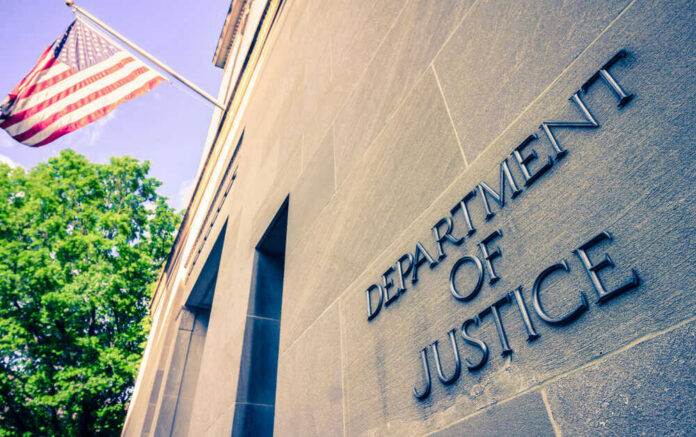
The U.S. Department of Justice's antitrust division is criminally investigating the conduct of large meatpackers, the Wall Street Journal said on Monday, citing people familiar with the matter.
Last year, President Trump accused meatpacking companies of driving up U.S.… pic.twitter.com/1txNOS6ujJ
— Yahoo News (@YahooNews) April 21, 2026
The Pricing Benchmark Problem
At the heart of the investigation lies a deceptively simple mechanism: pricing benchmarks. These formulas determine what ranchers receive when they sell cattle to the four major packers.
Ranchers allege these benchmarks are manipulated downward, suppressing their income while packers maintain pricing power over retail customers.
Criminal antitrust law targets exactly this type of alleged collusion—competitors coordinating to fix prices in their favor while harming both suppliers and consumers.
What Prison Time Means for Corporate America
Criminal antitrust investigations carry consequences that civil cases cannot impose. Company executives face potential prison sentences, not just corporate fines.
This elevates the stakes exponentially. The companies have issued minimal public statements, with JBS claiming unawareness of any criminal probe while Tyson, Cargill, and National Beef declined comment entirely. Their silence reflects the legal jeopardy they face.
Market Concentration as Economic Leverage
The 85% market concentration among four companies creates an environment in which individual ranchers have virtually no negotiating power. When you control most of the market, you effectively set prices rather than compete for supply.
This concentration has persisted for years, but political attention and rising consumer beef prices finally triggered enforcement action. Whether this investigation succeeds in proving criminal conduct remains uncertain, but it signals Washington’s recognition that market consolidation demands scrutiny.
The Ranching Community’s Long Wait for Justice
Ranchers have complained about anticompetitive conduct for years, watching their margins compress while beef prices at supermarkets climbed to record highs.
Texas Agriculture Commissioner Sid Miller called the criminal investigation “a long-overdue step toward restoring fairness in the beef industry,” articulating rural frustration with a system that appeared rigged against family farms. Whether the DOJ can prove criminal conspiracy remains the critical question.
What Happens Next
The investigation continues with no charges filed to date. Prosecutors must prove beyond a reasonable doubt that executives at these companies engaged in criminal conspiracy—a higher burden than civil antitrust violations.
If successful, potential outcomes range from massive fines to forced divestitures that could restructure the entire beef processing industry. If unsuccessful, the companies emerge vindicated, and the market concentration persists unchanged.
Sources:
DOJ probes major US beef packers – iGrow News
DOJ Meatpacker Probe – Benzinga
DOJ reportedly pursues criminal antitrust probe of beef meatpackers – Fox Business
DOJ probes major US beef packers – The Beef Site
U.S. Department of Justice Investigates Meat Packing Companies – KS Radio