Oil snapped above $90 because a narrow island in the Gulf just reminded markets how fragile the world’s energy lifeline really is.
Story Snapshot
- U.S. Central Command struck two Iranian launchers on Larak Island to stop a mining threat in the Strait of Hormuz, officials said.
- The military called it a limited, precise action to protect shipping and global commerce.
- Oil jumped more than 3% as traders priced in risk to a key chokepoint for energy flows.
- Iran’s Guards vowed a response and claimed casualties, without a firm toll.
What sparked the price jump
U.S. Central Command said American forces hit two Iranian launchers on Larak Island after watching Islamic Revolutionary Guard Corps units prepare rockets with sea mines aimed at the Strait of Hormuz. Military officials framed the strike as time-sensitive and defensive.
They said the goal was to protect civilian mariners, keep commercial shipping moving, and shield the flow of global trade through the narrow waterway that carries a large share of the world’s oil. Markets heard “Hormuz” and moved fast.
Brent crude rose over 3% and crossed $90 a barrel after the strike and statements from both sides hit the wires. Traders did not wait for satellite photos or a legal memo.
They priced the risk that even a short scare at the chokepoint could slow tankers, spike insurance, and tighten supply. In energy, fear is a tax paid up front. The sharp move fit a pattern: when Hormuz looks shaky, oil adds a risk premium in hours, not days.
Why the Strait of Hormuz matters so much
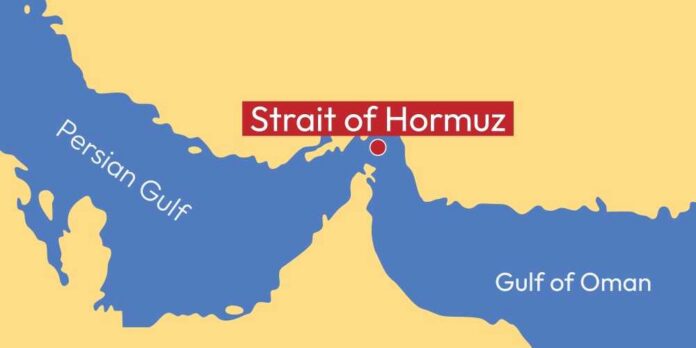
The Strait of Hormuz is a narrow lane that links the Persian Gulf to the open seas. A heavy share of global oil and fuel travels through it each day. Disruption there can ripple into gas prices, freight costs, and inflation.
Larak Island sits close to the shipping lanes, so any hint of mines near that path is a big deal. Even if the risk lasts a short time, ships may divert or delay, and insurers may lift rates. Those steps raise prices for everyone.
Crude oil prices have risen above $90 per barrel after the United States and Iran resumed military strikes over the Strait of Hormuz, reviving concerns about disruptions to global oil supplies through the strategic waterway. https://t.co/97lMzRe9RG pic.twitter.com/OWiWHfCGJY
— Nairametrics (@Nairametrics) August 31, 2026
Central Command also said it had recently cleared mines from the strait’s international routes, suggesting a steady effort to keep lanes safe. That message serves two aims. It signals to shippers that someone is guarding the gate.
It also tells Tehran that laying mines crosses a line the United States will not ignore. For those who prize order at sea, this posture aligns with common sense: keep commerce flowing and deter those who would hold it hostage.
Claims, counterclaims, and what we know
Iran’s Revolutionary Guards said the U.S. strike killed and wounded several fighters and civilians and vowed to respond, but did not release a casualty figure. They also framed later attacks on U.S.-linked sites as acts of self-defense tied to Larak.
U.S. officials, for their part, stressed the strike was limited and aimed at an imminent threat to ships. Early reporting did not include public imagery or detailed munition data, which leaves room for spin on both sides.
Here is the line that matters for readers who pay more at the pump when geopolitics turns hot: markets price risk, not proof. Traders saw a credible chokepoint, a stated mine threat, and a military response, then bid oil higher.
If proof piles up that the danger has passed, prices can ease. If signs point to fresh threats or more strikes, the premium can grow. That is not hysteria; it is how supply chains defend themselves with dollars.
What to watch next to gauge prices
Watch ship traffic patterns near Hormuz and any notices from shipping insurers. If tanker speeds slow or routes bend wide, the risk premium sticks. Track statements from Central Command for updates on mines, patrols, or new interdictions.
Keep an eye on Iran’s messaging for talk of more strikes and on whether they name targets or timelines. Finally, look at stock draws and refinery runs. If refineries blink, futures can jump again even without a fresh incident.
Bottom line for Main Street
Energy shocks do not need a war headline to hit wallets. A single night on a small island can nudge gas prices for weeks. The fastest path back under $90 is steady shipping, quiet coastlines, and fewer threats.
Deterrence that keeps lanes open is cheaper than crisis response after a closure. That is why a narrow, defensive strike, if it truly removes a mine risk, supports both security and free commerce. The market will keep score in real time.
Sources:
politico.com, reuters.com, time.com