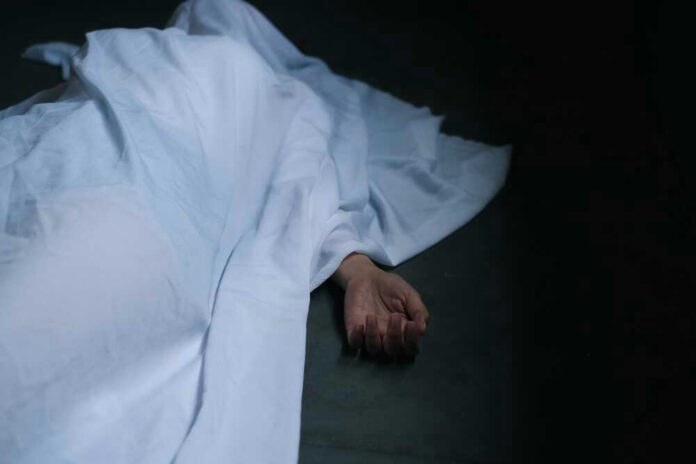
On his 34th birthday, Ken Urker was found dead in a Raceland, Louisiana home as deputies answered an evening call.
Story Snapshot
- Deputies found Ken Urker dead at a Raceland address after a 6:15 p.m. call.
- The initial call was logged as a reported overdose, according to a sheriff’s captain.
- Gypsy Rose Blanchard said she believes an overdose caused his death.
- Officials reported no evidence of foul play as the case moved to autopsy and toxicology.
What Happened In Raceland
Lafourche Parish deputies responded Thursday evening to a residence on Double H Drive in Raceland, Louisiana. They arrived after a 6:15 p.m. call and found Kenan “Ken” Urker, 34, dead at the scene, according to statements relayed by local and national outlets citing the sheriff’s office. The date marked Urker’s 34th birthday, which anchors the timeline across reports. Deputies secured the scene and began a standard death investigation focused on documenting conditions and notifying the coroner.
A sheriff’s captain said the call first came through as a reported overdose, a detail entered in a dispatch log shared with press the next day. Gypsy Rose Blanchard, Urker’s partner, later told interviewers she believes an overdose caused his death and said he had not been in a good state of mind, while adding she did not know whether it was intentional. Outlets flagged this as her account, not an official finding, while repeating the sheriff’s timeline and location details.
What Authorities Confirmed So Far
The sheriff’s office reported no evidence of foul play at this stage. The Lafourche Parish coroner completed an autopsy and said the case remains pending toxicology, which will guide the medical ruling on the cause and manner of death. That step is normal in drug-related investigations. National guidance says many suspected overdose deaths are certified “pending investigation” until toxicology and case facts are integrated into a final conclusion.
Several outlets echoed scene notes consistent with a drug-related probe, including references to paraphernalia, though those details appeared in secondary reporting rather than official releases. Law enforcement agencies often gather such items because they can help explain a decedent’s last hours and inform the toxicology panel that laboratories run for depressants, stimulants, and other substances. Officials have not named a substance or dose, and they have not issued a final cause of death.
How Media And Family Shaped The First Day
Coverage converged on core facts: a death in Raceland, a 6:15 p.m. call, and an active investigation with no sign of foul play. Blanchard’s belief about an overdose traveled fast across outlets, which labeled it as her statement rather than a coroner’s conclusion. That division matters. A medical examiner’s call rests on the autopsy, the scene, the history, and lab results, not on a single early clue. Federal reporting guidance says pending designations are common while testing runs.
Ken Urker, the 34-year-old boyfriend of Gypsy Rose Blanchard, was found dead in their Louisiana home on Thursday. Authorities state the investigation remains ongoing, while Blanchard told reporters she suspects his death was caused by an overdose. https://t.co/ov4b2XZwrg
— The Washington Times (@WashTimes) October 4, 2026
Readers saw a familiar pattern at work. When a public figure dies, the loudest detail can steer attention before the lab report arrives. Responsible coverage centers the verified steps: who responded, what they found, and what the officials say. Here, the record shows a confirmed death, an overdose-coded call, a grieving partner who believes drugs were involved, and a coroner who is waiting for lab science to finish the job.
What Comes Next In The Case
The coroner’s office will receive toxicology results and integrate them with autopsy observations and scene information. That process helps distinguish between accidental overdose, intentional self-harm, natural disease, or a cause not related to drugs at all. If the testing detects substances, the final ruling will still weigh concentrations with the body’s condition and the scene, because drug levels alone can mislead without context. Authorities will release the official cause and manner when the investigation closes.
Sources:
nbcnews.com, wdsu.com, people.com, nytimes.com, nbcnewyork.com, nola.com, abc7news.com, cbsnews.com, hindustantimes.com, san.com, nist.gov, pmc.ncbi.nlm.nih.gov, forensicresources.org