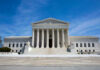
Two gunmen took shots at America’s consulate in Toronto before dawn—an attack on U.S. sovereignty that Canadian authorities now treat as a national security incident.
Quick Take
- Two suspects fired multiple handgun rounds at the U.S. Consulate in downtown Toronto around 4:29–4:30 a.m. on March 10, 2026, then fled in a white Honda CR-V.
- No one was injured, and the building’s fortified design prevented the shots from penetrating the consulate.
- Toronto Police and the RCMP are reviewing surveillance footage and searching for the suspect vehicle; no arrests were announced in early briefings.
- Canadian authorities classified the shooting as a national security event and increased security at U.S. and Israeli diplomatic sites in several cities.
What Happened Outside the U.S. Consulate
Toronto Police say a white Honda CR-V turned onto University Avenue from Dundas Street and stopped outside the U.S. Consulate at 361 University Avenue in the pre-dawn hours of March 10, 2026.
Two people got out, fired multiple shots from a handgun at the front of the building, got back into the vehicle, and drove southbound. Investigators recovered shell casings and documented bullet damage on the exterior.
Police reported no injuries, a result that appears tied to both timing and security design. The attack happened when foot traffic was minimal, and authorities said the consulate’s fortified structure—reinforced materials and protective barriers typical of diplomatic facilities—helped prevent rounds from entering the building.
Forensic teams photographed the damage as officers secured the area and began collecting evidence. Officials emphasized the goal now is identifying the suspects and locating the vehicle quickly.
Why Authorities Labeled It a “National Security” Incident
The RCMP classified the shooting as a national security incident and coordinated with Toronto Police, federal partners, and U.S. counterparts. That classification matters because it can widen investigative resources and sharpen the focus on motive, including whether the act was meant as intimidation or part of a broader ideological campaign.
Early briefings stressed that motive had not been confirmed publicly. Investigators said surveillance footage from multiple cameras in the area is central to the case.
Canadian officials also increased security around other diplomatic locations, including U.S. and Israeli sites in Toronto and in other major cities such as Ottawa and Montreal. That precaution suggests authorities are treating the consulate shooting not as random vandalism but as a potentially targeted act against high-profile national symbols.
For Americans watching from the outside, the core reality is straightforward: a U.S. diplomatic facility was fired upon, and the perpetrators escaped.
Police in Canada are searching for two men who they say fired shots at the U.S. consulate in Toronto on Tuesday. No one was injured. pic.twitter.com/tufSY4VKnA
— CBS Evening News with Tony Dokoupil (@CBSEveningNews) March 10, 2026
Synagogue Attacks Provide Troubling Context—But Motive Isn’t Proven
The consulate shooting followed attacks over the March 8–9 weekend targeting synagogues in the Toronto area, events that heightened concerns in Jewish communities and prompted federal coordination. That sequence has fueled public suspicion that the incidents could be connected.
Authorities have been careful in public comments, noting that investigators must confirm any linkage rather than infer it from timing alone. As of the initial press updates, no direct evidentiary connection was publicly established.
Ontario Premier Doug Ford publicly raised concerns about “sleeper cells,” reflecting political alarm over the possibility of extremist networks operating inside Canada.
Police, however, have not publicly endorsed that conclusion, instead emphasizing that investigators are still working to determine whether the act meets a terrorism threshold or another criminal category. That gap between political commentary and verified investigative findings is important for readers who want facts over speculation.
What This Means for Americans Watching Under a Trump Presidency
For a U.S. audience that values constitutional order and national sovereignty, the biggest takeaway is that this was an attack on an American diplomatic outpost—symbolic, deliberate, and timed to reduce the chance of immediate confrontation.
The building held, and no one was hurt, but the message behind the gunfire is exactly what governments are supposed to prevent: intimidation aimed at public institutions. The U.S. and Canada now face a test of whether they can deter copycat attacks.
Key details remain unresolved: investigators had not announced arrests in the early briefings, and the public did not have a confirmed motive. Officials said the suspect vehicle—a white Honda CR-V—was the primary lead as forensic work and video review continued.
Until suspects are identified and questioned, claims about ideology, foreign direction, or coordination with other incidents remain unproven. For now, the clearest fact is that diplomatic security has tightened because the threat is being taken seriously.
Sources:
https://www.foxnews.com/video/6390689166112