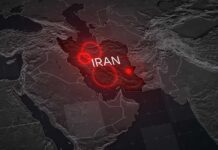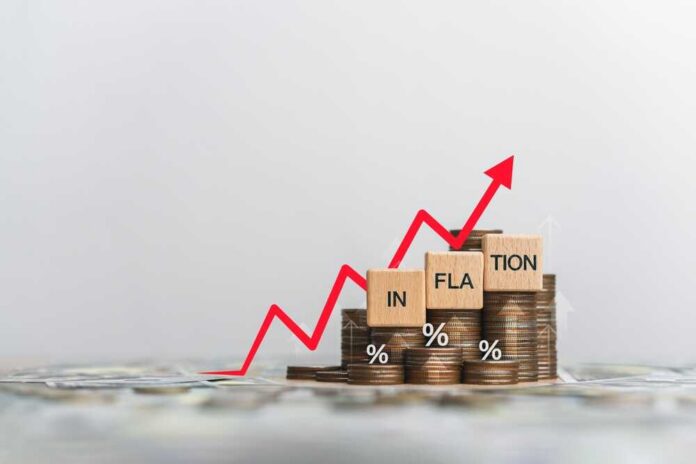
JPMorgan Chase CEO Jamie Dimon warns that the escalating U.S.-Israeli war with Iran threatens to drive inflation higher and derail hopes for interest rate relief, as oil supply disruptions and soaring energy costs already hammer American families at the gas pump and in the housing market.
Story Snapshot
- Iran’s closure of the Strait of Hormuz disrupted 20% of global oil supplies, pushing crude past $119 per barrel and gas prices up 26 cents per gallon to $3.25
- Mortgage rates climbed to 6% in early April 2026, driven by Treasury yields rising to 4.14% amid inflation fears sparked by the conflict
- Jamie Dimon cautions that persistent oil shocks could force the Federal Reserve to raise rates further, risking recession and crushing homebuyers
- Unlike past wars during economic slack, the Iran conflict hits while the economy still battles post-pandemic inflation, amplifying the damage to American wallets
War Disrupts Energy Markets and Drives Prices Higher
The U.S.-Israeli military operations against Iran, launched on February 27, 2026, triggered immediate retaliation that sent shockwaves through global energy markets.
Iran’s closure of the Strait of Hormuz—a critical chokepoint for 20% of seaborne oil trade—caused Brent crude to surge past $100 per barrel in early March, peaking at $119, representing over a 30% increase from pre-war levels.
American drivers felt the pain immediately, with gasoline prices climbing to $3.25 per gallon by late March, the highest since April 2025.
This energy crisis differs sharply from previous conflicts; the Iraq War saw only modest $5 per barrel increases.
Mortgage Rates Hit 6% as Housing Market Takes Direct Hit
Inflation fears from the conflict pushed 30-year fixed mortgage rates to 6% in early April, up from 5.98% just days earlier and well above the recent three-year low.
The 10-year Treasury yield jumped from 3.96% to 4.14% as bond markets priced in persistent inflation risks.
NerdWallet lending expert Kate Wood noted that even low rate increases matter psychologically to buyers, deterring home purchases at a critical time.
The Brookings Institution confirms that mortgage rates typically track Treasury yields by 1-2% points, meaning further persistence in oil prices could push home loans even higher, pricing middle-class families out of homeownership entirely.
Jamie Dimon says US must 'finish this thing' with Iran to protect global economy https://t.co/kGQWs47xVt
— FOX Business (@FoxBusiness) March 31, 2026
Dimon’s Warning Echoes Conservative Concerns About Economic Stability
Jamie Dimon’s forecast that the Iran war will drive inflation and interest rates higher validates longstanding conservative concerns about the vulnerability created by years of fiscal mismanagement and energy policy failures.
The IMF’s Kristalina Georgieva quantified the threat: every 10% increase in oil prices adds 0.4% to global inflation while reducing economic output by 0.2%.
Unlike the Iraq and Afghanistan wars, which occurred during periods of economic slack that allowed the Federal Reserve to maintain accommodative policies, this conflict occurs while the economy still wrestles with inflation from excessive pandemic-era spending.
Low-income Americans face the worst squeeze, paying more for gas and groceries while homeownership slips further from reach.
Federal Reserve Faces Impossible Choices on Rate Policy
The ongoing conflict leaves the Federal Reserve trapped between controlling inflation and avoiding recession.
With oil prices remaining elevated above $100 per barrel and energy markets volatile, experts are divided on whether the Fed will hold rates steady or implement further hikes.
Any sustained oil shock could force the central bank’s hand toward tightening, risking a recession that would devastate jobs and savings.
This uncertainty already shows in market behavior, with investors shifting toward money market accounts and Treasury bonds despite eroding yields.
The situation underscores how foreign conflicts directly threaten American prosperity when domestic energy independence and fiscal discipline are abandoned in favor of globalist agendas and reckless spending policies.
The economic fallout from the Iran war demonstrates the real-world consequences of strategic failures and policy mismanagement.
American families now pay the price at gas stations and are locked out of housing markets while Washington grapples with inflation it fueled through years of overspending.
The energy supply disruptions prove the folly of abandoning energy independence, leaving the nation vulnerable to foreign actors who weaponize oil supplies.
Until the administration prioritizes American energy production and fiscal responsibility, families will continue suffering from higher costs and diminished economic opportunity while bureaucrats debate monetary policy.
Sources:
Iran war hits housing market as mortgage rates rise to 6% on inflation fears – CBS News
Does War Cause Inflation? – SmartAsset