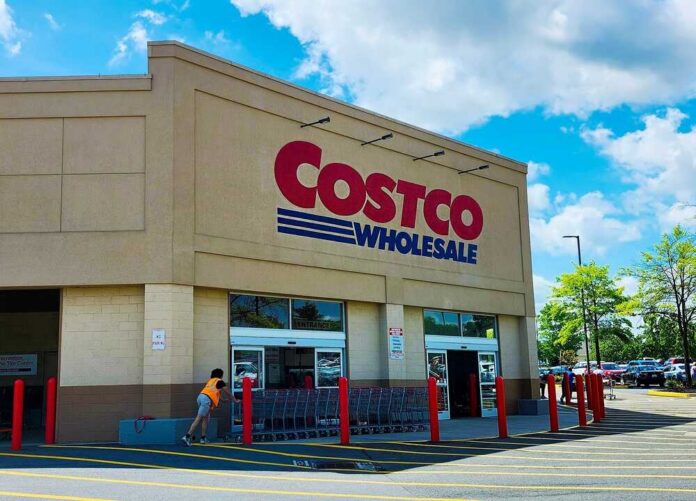
A simple bakery label mix-up at Costco quietly turned a sweet treat into a serious risk for Americans who rely on truthful ingredient disclosures.
Quick Take
- Costco recalled “Mini Beignets filled with Caramel” after some packages reportedly contained “Mini Beignets filled with Chocolate Hazelnut,” creating an undeclared tree-nut hazard.
- The affected sales window was Jan. 16–30, 2026, and the recall covers purchases in 22 states.
- Costco instructed customers with hazelnut/filbert allergies not to consume the product and said returns qualify for a full refund.
- The recall lands amid other Costco labeling controversies, including litigation over “no preservatives” claims on rotisserie chicken and a separate undeclared-wheat recall.
What Costco Says Happened—and Why It Matters
Costco disclosed that some units labeled as “Mini Beignets filled with Caramel” were inadvertently packaged with “Mini Beignets filled with Chocolate Hazelnut,” meaning the label would not reflect the presence of hazelnuts/filberts. That kind of error is not a minor paperwork problem for families managing allergies; it is exactly why ingredient statements exist. When labels fail, the consumer’s ability to make an informed choice disappears.
Costco issued a recall notice for mislabeled bakery items that could cause allergic reactions in customers. https://t.co/J7mGfa1vAO pic.twitter.com/Otf6KrDd6f
— FOX 2 Detroit (@FOX2News) February 1, 2026
Costco’s warning was direct: customers allergic to hazelnuts/filberts should not consume the product and should return it for a full refund. The company’s refund guidance matters because it signals the recall is being treated as a customer safety issue, not merely a quality complaint.
Reports describing the episode indicate the problem is tied to packaging/labeling, not a broader contamination event, but the health risk for allergic shoppers remains real.
Dates, States, and How the Recall Is Scoped
The recall applies to purchases made between Jan. 16 and Jan. 30, 2026. That defined window helps narrow who may be affected, but it also puts pressure on households to check freezers and pantries carefully—especially in busy families where Costco bulk items get stored and forgotten.
Reports say the recall covers 22 states: Alabama, Arizona, California, Colorado, Florida, Georgia, Hawaii, Idaho, Illinois, Iowa, Louisiana, Michigan, Missouri, Nevada, New Jersey, New York, Ohio, Oregon, Pennsylvania, Tennessee, Virginia, and Washington.
Costco’s standard return approach—often not requiring a receipt—can make compliance easier for members, particularly older Americans who may not track every transaction. Still, the practical challenge remains: the recall depends on the consumer seeing the notice, recognizing the product, and taking action.
With mislabeled items, the danger is that the “wrong” product looks normal until an ingredient triggers a reaction, which is precisely why accurate allergen labeling is non-negotiable.
A Pattern of Labeling Trouble Raises Consumer Trust Questions
This bakery recall is not happening in isolation. Reports tie the moment to a broader run of Costco product and labeling disputes, including a class-action lawsuit filed in federal court in Southern California over claims that Kirkland Signature Seasoned Rotisserie Chicken is marketed in a way that suggests “no preservatives,” despite listed ingredients such as sodium phosphate and carrageenan.
Whatever the outcome of that case, the underlying theme is consistent: consumers depend on clear, prominent claims to decide what they will feed their families.
Separate reporting also described a different Costco recall involving Rolling Pin Dubai-Style Chocolate tied to undeclared wheat, another example of allergen-related labeling problems.
Taken together, these incidents reinforce why many Americans are tired of large institutions being treated as too big to mess up basic responsibilities. Accurate labels are not “nice to have” marketing; they are part of the trust contract between seller and buyer, especially when health risks are involved.
What Shoppers Can Do Right Now
Shoppers who bought Costco mini beignets during the stated dates should check product names carefully and prioritize safety if anyone in the household has a tree-nut allergy. Costco’s instruction, as reported, is to avoid consumption if allergic and return the product for a refund.
Because public reporting does not include confirmation from an FDA database entry, details like root cause and whether any illnesses occurred are not established in the available sources, so consumers should rely on the recall notice itself.
Costco issues recall notice for bakery item due to undeclared allergen https://t.co/lZpEUwj9iI
— FOX Business (@FoxBusiness) February 1, 2026
The bigger takeaway is straightforward: when corporations get labeling wrong, families bear the immediate risk while lawyers and PR teams sort out accountability later.
Conservatives who value personal responsibility can fairly expect the same principle from major retailers—get the basics right, tell the truth plainly, and fix problems fast when they occur. For now, the practical step is simple: verify what’s in your home and use the refund process if you have the affected product.
Sources:
Costco issues recall notice for bakery item due to undeclared allergen