

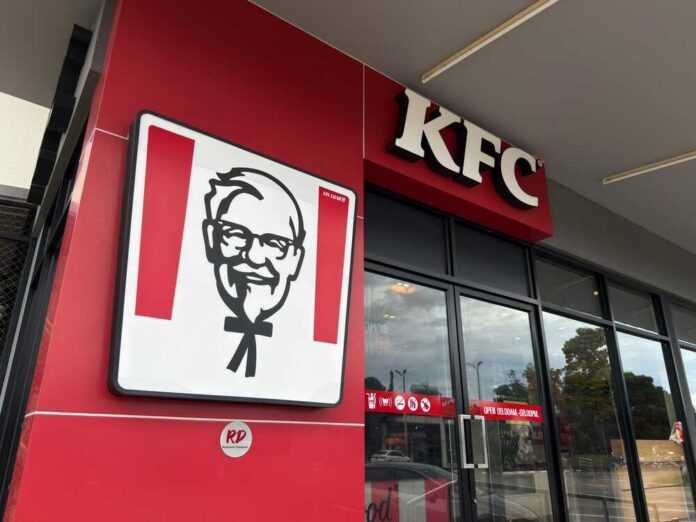
One franchise operator put 84 KFC and KFC/Taco Bell restaurants up for auction the same day it filed for Chapter 11.
Story Snapshot
- Tasty Chick’n filed Chapter 11 on November 16, 2026, in Houston.
- The case covers 84 KFC and KFC/Taco Bell stores across 10 states.
- The debt load is about $72.9 million, led by MidCap Financial.
- KFC and Taco Bell say unpaid fees total about $15.7 million.
A franchisee, not the brand, lands in bankruptcy court
Tasty Chick’n, a Plano-based KFC and KFC/Taco Bell operator, sought Chapter 11 protection on November 16, 2026, in the United States Bankruptcy Court for the Southern District of Texas. The court docket confirms an active restructuring with first-day filings and orders entered promptly after the petition. The filing covers a large footprint: 84 restaurants across 10 states. This is a franchisee insolvency, not a bankruptcy by KFC or its parent, Yum Brands, a distinction that matters to workers, landlords, and customers.
Court-filed and contemporaneous reports describe a heavy balance sheet. Tasty Chick’n entered Chapter 11 with about $72.9 million in borrowing obligations, including roughly $67.2 million owed to MidCap Financial under a senior secured facility. Franchise-related debt pressures also stacked up. KFC and Taco Bell alleged about $15.7 million in unpaid royalties, ad fund payments, and other fees, warnings that culminated in a notice of intent to terminate franchise rights in September 2026, according to reports based on the filing.
Why the 84 stores are up for sale now
The company moved to sell restaurants early in the case, which is standard when cash is tight, and brand approvals control the exit path. Chapter 11 gives time, but not a blank check. A franchisee cannot sell stores without the franchisor’s blessing on brand standards, remodels, and assignment terms. That leverage shapes value and timing. Buyers want clean franchise approvals, steady leases, and clear access to supply. Without those, bids fade or come with steep discounts that punish creditors and employees alike.
The record points to restructuring, not a simple wind-down. First-day motions seek permission to pay employees, keep the lights on, and use cash collateral so stores can trade while a sale process runs. That is the playbook for a multi-state operator under pressure from lenders and franchisors. The goal is to transfer locations as going concerns, preserve jobs where the unit economics work, and close sites that cannot clear rent, labor, and royalty burdens at current sales levels.
The squeeze: fixed costs, rising rates, and brand control
This case fits a national pattern. Multi-unit restaurant operators have been pinched by higher food and labor costs, pricier leases, and elevated interest rates, while customers trade down or stay home. When traffic slips, fixed costs do not budge, franchise royalties keep ticking, and remodel demands still arrive. Lenders tighten terms, refinancing windows shrink, and operators run out of room. Analysts have tracked a rise in franchisee bankruptcies under these exact pressures since 2024.
Major KFC franchisee files for bankruptcy, puts 84 restaurants up for sale https://t.co/SEzPiST4tR
— FOX Business (@FoxBusiness) November 20, 2026
Conservative common sense says costs and accountability matter. A franchise system only works when each store pays its way, covers royalties, and meets brand rules that protect the name on the sign. When debt piles up and required payments lag, the franchisor moves to defend the brand. That is not cruelty; it is clarity. Strong operators survive on discipline. Weak units change hands, or close, so the rest of the system can thrive, and customers get what they expect every time they walk in the door.
What to watch next if you live near these stores
Customers should expect some churn. Reports indicated plans to shut several of the underperforming stores quickly, including around the holidays. Others will likely be sold to qualified operators who can invest and stabilize performance. Landlords should track lease assumption or rejection and watch for cure payments. Employees should look for first-day wage orders and communications from any approved buyer. All of that flows through the court as the sale process advances.
Sources:
foxbusiness.com, courtlistener.com, kohenavocats.fr, allrecipes.com, cbs12.com, fox32chicago.com, bkalerts.com, cronista.com